Whimsical Teddy Bear Clipart
As an embroidery designer and product reviewer, I’ve evaluated countless digital designs for real-world use. Whimsical Teddy Bear Clipart stands out for its charm and versatility, but it’s not a one-size-fits-all solution. Let me walk through how this design performs in practical embroidery projects and what to consider before using it in your work.
First Impressions: A Cute, Playful Design
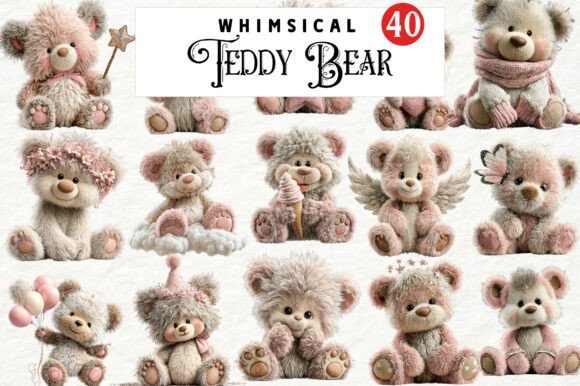
The first thing that catches the eye with Whimsical Teddy Bear Clipart is its soft, cartoonish aesthetic. The bear is rendered in a way that feels both nostalgic and modern—perfect for a range of handmade and commercial applications. The layout is clean, with a central focus on the bear, making it ideal for projects that require a clear visual statement.
The level of detail is moderate, which means it won’t overwhelm smaller hoop sizes or delicate fabrics. However, it still has enough texture to feel like a high-quality design. The transparent background makes it easy to integrate into various mockups and layouts, especially for printable assets or digital product previews.
This design fits best in projects that aim to evoke warmth, comfort, and playfulness. Think baby items, personalized gifts, or holiday-themed merchandise. It’s not the best choice for something minimalist or ultra-modern, but it shines in cozy, whimsical contexts.
Real-World Embroidery Performance
When I tested Whimsical Teddy Bear Clipart on a few different fabrics, the results were generally good, but there were some nuances to consider. On cotton and denim, the design held up well with standard stitch settings. The satin stitches created a smooth, defined look, while fill stitches added depth without looking too dense.
However, on thin or stretchy fabrics, the design required careful stabilizer use. Without proper support, the bear could lose definition, especially around the ears and paws. For custom apparel like t-shirts or sweatshirts, this design works well as long as you’re mindful of fabric type and stitch density.
For baby items, such as onesies or blankets, the softness of the design aligns well with the intended audience. But again, testing on scrap fabric is essential to ensure the design doesn’t get distorted during the embroidery process.
On curved surfaces like caps or hats, the design can be a bit tricky. The bear’s shape might not sit perfectly on the curve, so adjusting the hoop size or repositioning the design may be necessary. For embroidered patches, the design translates well, especially when used as an applique.
Where to Use With Caution
While Whimsical Teddy Bear Clipart is versatile, there are scenarios where it might not perform as expected. Small hoop sizes can make it difficult to capture all the details, especially in the bear’s facial features or fur texture. If you’re working on a tight space, consider simplifying the design or using a larger hoop if possible.
On dark fabrics, the design may not stand out as much unless you choose a contrasting thread color. Light-colored threads can blend into the background, making the bear less visible. Similarly, on textured or thick fabrics, the design might not lie flat, affecting the overall finish.
If you plan to use the design on layered garments or products that will be washed frequently, be sure to test the durability. Some embroidery files may not hold up well over time, especially if the stitch density is too low or the stabilizer isn’t sufficient.
Impact on Visual Appeal and Customer Perception
Whimsical Teddy Bear Clipart adds a friendly, approachable vibe to any project. It’s perfect for handmade products that aim to connect emotionally with customers. Whether it’s a custom tote bag, a baby onesie, or a holiday gift, the design enhances the visual appeal and makes the finished product more memorable.
In terms of value, this design can elevate a simple item into something special. Customers often appreciate the effort and creativity behind a unique embroidered design, which can justify a higher price point. It also helps build brand consistency, especially for businesses that want to maintain a cohesive, playful image.
For Etsy sellers and small shop owners, this design can be a strong selling point. It’s easy to market as a customizable option, and its cute, recognizable style makes it highly giftable. However, it’s important to present it well—using printable mockups or high-quality images can make a big difference in buyer engagement.
Practical Designer Notes
Before finalizing any project with Whimsical Teddy Bear Clipart, here are a few key steps to follow:
- Test on scrap fabric: Always check how the design looks on the actual material you’ll be using.
- Check thread color contrast: Ensure the chosen thread color complements the fabric and highlights the design.
- Review stitch density: Avoid overly dense areas that could cause puckering or distortion.
- Confirm hoop size: Make sure the design fits comfortably within your machine’s hoop limitations.
- Inspect small details: Pay attention to corners, edges, and intricate parts of the bear.
- Test in black and white: Sometimes, the design may look better in monochrome than in color.
- Compare light and dark backgrounds: This helps determine the best thread color choices.
- Use proper stabilizer: Especially on thin or stretchy fabrics, stabilizer prevents shifting and maintains quality.
- Check licensing: Confirm whether the design is suitable for commercial use or resale.
Whimsical Teddy Bear Clipart is a solid choice for embroidery designers looking to add a touch of cuteness to their projects. Its clean layout, moderate detail, and friendly aesthetic make it a great asset for a wide range of applications. Just remember to tailor your approach based on the specific project and fabric type.